“Piccoli profeti” non tanto piccoli

Le letture della Messa sono sempre così di grande ispirazione. Oggi e domani, leggiamo due pezzi del profeta Baruc. Egli è un discepolo di Geremia. Sembra che non sia stato deportato in esilio, ma era andato in Egitto, come la tradizione dice anche di Geremia.

Nel tratto che abbiamo letto questa mattina, il profeta si riconosce peccatore insieme con tutto il suo popolo e perciò meritevole del castigo divino, cioè, le condizioni di sconfitta di quel momento. Il tratto che leggeremo domani (forse non lo leggeremo, perché ricorre la festa del Santo Rosario) annuncia come consolazione la prossima liberazione da parte di Dio. Non posso non applicare questi messaggi al caso nostro, quando a Roma si è radunato un Sinodo senza precedenti. Tutti siamo desiderosi di risolvere le presenti difficoltà della Chiesa. Il profeta dice che tutte le difficoltà vengono perché non si è obbedito alla parola di Dio e dei profeti e consola il popolo dicendo che, se tornano ad obbedire alla parola di Dio e dei profeti, presto verrà la liberazione.

Ho l’impressione che qualcuno vede le presenti difficoltà della Chiesa come provenienti da un “clericalismo” che non ascolta il popolo, che allontana ed esclude i peccatori. Le parole del profeta ci devono far pensare che forse la causa sta nel non aver ascoltato la parola di Dio che si trova nella Bibbia, nella tradizione di 20 secoli, specialmente nel recente Magistero del Concilio Vaticano II, fedelissimamente rispettato dai Papi, coma il grande, Giovanni Paolo II, ha scelto come suo nome quello lasciato dal suo predecessore: Giovanni Paolo, con ciò voleva dire che non avrebbe avuto la sua politica, ma quella dei due realizzatori del Concilio, Papa Giovanni XXIII e Papa Paolo VI.

Purtroppo, non tutti hanno seguito l’ermeneutica della continuità. Chi è andato alla destra, chi è andato alla sinistra. Né gli uni né gli altri hanno salvato la nostra Chiesa. Gli uni sono diventati scismatici, gli altri si credono addirittura più fedeli al Concilio di quelli che tengono ferma la fede che viene dagli Apostoli. I discepoli di Lefevre sono stati pochi, ma quelli che hanno scelto di seguire la corrente del mondo tentano adesso di dominare la Chiesa.

È il momento di tornare alla parola di Dio, degli Apostoli, specialmente San Paolo, dei Papi, specialmente i recenti, non solo quello presente. Su questa parola dobbiamo pesare tutte le proposte che si presentano come medicine per un rinnovamento della nostra Chiesa.

Approfitto per dire che è un malinteso pensare che le Chiese Orientali prendono la parola “sinodalità” come quella di camminare con il popolo di Dio (e con ciò si intende i laici). I vescovi cattolici orientali ci dicono che col Sinodo non hanno mai inteso direttamente il camminare insieme di tutto il popolo, ma l’insieme dei Vescovi camminare con Nostro Signore Gesù Cristo.

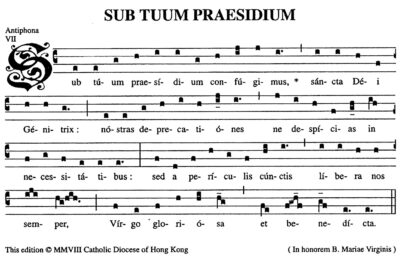
Domani, festa del Santo Rosario, leggeremo gli Atti degli Apostoli che descrivono la preghiera della comunità primitiva con la presenza della Madonna. Non vi dispiaccia che io vi raccomandi una preghiera tradizionale della Chiesa: “Sub tuum praesidium” e una preghiera composta da San Giovanni Bosco: “O Maria, Virgo potens”.


(a Prayer composed by Saint John Bosco)

O Maria Virgo Potens

Tu magnum et praeclarum

in Ecclesia praesidium.

Tu singulare auxilium christianorum.

Tu terribilis

ut castrorum acies ordinata.

Tu cunctas haereses sola interemisti

in universo mundo.

Tu in augustiis, Tu in bello,

Tu in necessitatibus

nos ab hoste protege,

atque in aeterna gaudia

in mortis hora suscipe.

致主內的信眾的信,關於呈交給教宗方濟各的「疑問」(dubia)

主內的弟兄姊妹:

我們五位樞機,深知「所有信徒有本份,將其有關教會利益的見解表達給教會的牧人」(《天主教法典》212§3),也記得樞機們更「有責任個別協助教宗……管理普世教會的日常事務」(《法典》349)。鑑於一些高級領導對是次世界主教會議的各種聲明,公然相反教會一貫的教義和紀律,已經並且繼續在信徒和其他善意人士之中造成極大的混亂和誤會,我們將對此的深切關注訴諸教宗閣下。

我們2023 年7 月10 日的信函,採用了向長上提交「疑問」(dubia,[問題])行之有效的做法,為長上提供機會,透過他的「回應」明確澄清教會的教理和紀律。我們已向教宗方濟各提交了五個「疑問」(見附上副本)。教宗方濟各在 2023 年 7 月 11 日的信中,回應了我們的函件。

在研究了他的回信後,我們發現他的信沒有遵循「對疑問的答覆」(responsa ad dubia)的做法,故我們重新編撰了「疑問」,以祈教宗關於教會恆久以來的教義和紀律作出明確的答覆。藉著2023年8月21日的信函,我們向教宗提交了重新編撰的「疑問」(見附上副本)。截至目前為止,我們尚未收到對重新編撰的「疑問」的回應。

鑑於有關「疑問」的嚴重性,特別是考慮到主教會議即將召開,我們認為我們有責任告知您們各位信眾(《法典》 212 § 3),以免您們可能陷入混亂、錯誤和灰心,而能為普世教會,特別是為教宗祈禱,使教會得以更清楚地教導福音、且更忠實地遵循它而生活。


沃爾特.布蘭德米勒樞機(Cardinal Walter Brandmüller)

雷蒙德.良.伯克樞機(Cardinal Raymond Leo Burke)

若望.桑多瓦爾.伊尼格斯樞機(Cardinal Juan Sandoval Íñiguez)

羅伯特.莎拉樞機(Cardinal Robert Sarah)

陳日君樞機(Cardinal Joseph Zen Ze-Kiun, SDB)

謹啟

羅馬,2023 年 10 月 2 日

***********

敬愛的聖父:

我們很感謝您給予我們的答案。我們首先想澄清的是,我們若問了您這些問題,並不是非因為害怕與我們這個時代的人對話,也不是因為害怕他們可能問我們有關基督的福音的問題。事實上,我們和教宗閣下一樣,堅信福音為人類生命帶來圓滿,並回答我們的每一個問題。令我們憂慮的是另一個問題:我們關注到有些牧者懷疑福音改變人心的能力,最終向人們提出不再是純正的教義,而是「按照自己的喜好來教導」(參見弟後4:3)。我們還關心的是,人們應該明白天主的憐憫並不在於掩蓋我們的罪,而是更偉大,在於使我們能夠通過遵守祂的誡命來回應祂的愛,即皈依並信從福音(參見谷 1:15)。

您以誠意回答了我們,我們出於同樣的誠意必須補充一點,您的回答並沒有使我們釋疑,反而加深了我們的疑慮。因此,我們覺得有必要向教宗閣下,作為受主委託在信仰上堅定您的弟兄們的伯多祿繼承人,重新提出、重新編撰這些問題。鑑於主教會議舉行在即,這事變得更加緊迫,許多人想利用這次會議來否定正正是與我們「疑問」關注之事所相關的天主教教義。因此,我們向您重新提出我們的問題,好使您可以用簡單的「是」或「否」來回答。

1. 教宗閣下堅持教會可以加深她對信仰寶庫的理解。這確實是《天主的啟示》教義憲章8 所教導的,屬於天主教教義。然而,您的回覆並沒有抓住我們的關注點。今天,包括牧者和神學家在內的許多基督徒認為,我們這個時代的文化和人類學變化應該推動教會教導相反於其一直教導的內容。這牽涉到我們得救的基本而非次要的問題,例如信仰的宣認、獲得聖事的主觀條件、遵守道德律。因此,我們想重新表達我們的「疑問」:今天的教會是否能在信仰和道德問題上,教導相反於她以前所教導的教義,無論是教宗以正式的宗座權威發言(ex cathedra),還是根據某一大公會議的定義,或是散居世界各地的主教的普通普世訓導權(參見《教會》教義憲章25)?

2.教宗閣下堅持認為,婚姻與其他形式的性結合兩者不能混淆,因此,對同性伴侶的任何儀式或聖事祝福,都會引起這種混淆,應該避免。

然而,我們的憂慮是不同的:我們關注同性伴侶的祝福,在各種情況下都可能會造成混亂,不僅因為這可能使它們看起來類似於婚姻,還因為這樣做事實上等於肯定同性的性行為是善的,或至少是天主要求人們在走向祂的旅途中的一種可能的善。因此,讓我們重新表達我們的「疑問」:在某些情況下,牧者是否可以祝福同性戀者之間的結合,從而表明同性性行為本身不違反天主的律法和相反於人走向天主的旅途?與這個「疑問」相關而需要提出另一個問題是:普通普世訓導權所維護的教義,即婚姻外的性行為,特別是同性性行為,無論其發生的環境及意圖,都構成客觀上違反天主律法的重罪,這是否繼續有效?

3.您堅持教會有一個共議幅度,即所有人,包括平信徒,都被召叫參與並發出自己的聲音。然而,我們的難題是另一個:今天,「共議同行」的主教會議,似乎祇要有教宗的參與,它已代表了教會的最高權威。然而,主教會議是教宗的諮詢機構;它不是世界主教團,不能解決世界主教團所處理的問題,也不能發布法令,除非在某些情況下,教宗(其職責是批准世界主教會議的決定)已整個明確授予它審議權力(參見《法典》343 C.I.C.)。這是關鍵的一點,因為如果不讓世界主教團參與這屆主教會議打算提出涉及教會憲法的問題,將完全違背共議同行的根本,而教會卻聲稱想要推動的。因此,讓我們重新表達我們的「疑問」:在羅馬舉行的主教會議,只包括選定的牧者和信徒代表,在教義或牧靈事務上被召叫表達自己的意見,這會議是否將行使教會的最高權力,那專屬於教宗及「與其元首在一起」(una cum capite suo)的世界主教團的權力(參見《法典》336 C.I.C.)?

4. 教宗閣下在您的答覆中明確表示,聖若望保祿二世在〈司鐸聖秩〉宗座牧函(Ordinatio Sacerdotalis)中的決定將明確保持不變,並正確地補充說,有必要從服務而非權力的角度來理解神職人員,以正確地理解我們的天主僅向男性保留神品的決定。但另一方面,您在回覆的最後一點中補充說,這個問題仍然可以進一步探討。我們憂慮有些人可能會將這項聲明,解讀為此事尚未有最終定論。事實上,聖若望保祿二世在〈司鐸聖秩〉中申明,此一教義是由普通訓導和普世訓導當局無誤地教導的,因此它屬於信仰的寶庫。這是信理部對有關宗座牧函提出的「疑問」的回應,這一回應得到了若望保祿二世本人的同意。

因此,我們必須重新闡述我們的「疑問」:司鐸神品這一聖事僅由受洗男性領受,屬於聖秩聖事的實則根本,教會是不能改變的。那麼未來的教會是否有特權向女性授予司鐸神品,並因此而與前一句的說法互相矛盾?

5. 最後,教宗閣下確認了特倫多大公會議的教義,根據該教義,聖事赦免的有效性需要罪人的悔改,其中包括不再犯罪的決心。您請我們不要懷疑天主無限的憐憫。我們想重申,我們的問題並非源於懷疑天主的憐憫的偉大,相反,正是因為我們意識到天主的憐憫是如此之偉大,以至於我們能夠皈依祂,承認我們的罪孽,並按祂教導的方式生活。反過來,有些人可能會將您的答案解讀為,僅僅認罪就足以獲得罪赦,因為它可能隱含地包括了對罪過的告明和悔改。因此,我們想重新表達我們的「疑問」:一個懺悔者承認犯了罪的同時,卻拒絕以任何方式表示不再犯同樣罪過的意圖,他可以有效地接受聖事的赦免嗎?

 梵蒂岡城,2023年8月21日

沃爾特.布蘭德米勒樞機(Cardinal Walter Brandmüller)

雷蒙德.良.伯克樞機(Cardinal Raymond Leo Burke)

若望.桑多瓦爾.伊尼格斯樞機(Cardinal Juan Sandoval Íñiguez)

羅伯特.莎拉樞機(Cardinal Robert Sarah)

陳日君樞機(Cardinal Joseph Zen Ze-Kiun, SDB)

陳樞機在唐高樞機(Cardinal Jozef Tomko)的追思彌撒前及彌撒中的講道

各位兄弟姊妹:

唐高樞機,教廷樞機團最年長的一位,本月八日在羅馬平安逝世,享年98。

唐高樞機生於斯洛伐克(前捷克斯洛伐克),長期在教廷任職。梵二大公會議結束後,教宗創立「主教會議」(Synod of Bishops)任命唐高主教為主管(1979-1985)。更重要的,他任萬民福音部(前傳信部)部長達十六年(1985-2001),退休後又任多年「全球聖體大會委員會」主席(2001-2007)。

教廷在八月十一日為唐高樞機舉行了安息彌撒,教宗親自參與。斯洛伐克教會也在首都的主教座堂,由捷克籍杜卡樞機(Duka)主禮,環繞著唐高樞機的遺體舉行了聖祭。差不多就在現在這時刻唐高樞機會下葬於他故鄉Košice。我會傳信息給Košice教會,讓他們知道我們多麼敬愛這位他們的同鄉。

唐高樞機任傳信部部長正是我們國內教會一個關鍵時刻。他的經驗,他的智慧,他和教宗若望保祿二世及Ratzinger樞機(後來的教宗本篤十六世)深切的友誼,使他,為把我們國內的教會帶上真正合一的道路,作出了良多貢獻(可惜,後來,教廷選擇了另一條路)。

那些年代,我們港、澳、台教會和國內教會很多接觸,尤其是許多去內地修院教書的神父、修女帶了許多訊息給教廷。唐高樞機在絕對維護教會信仰的原則下,非常開明地聽了我們的報告,鼓勵地下教會又體諒地上的忠正信徒。(例如那時上海主教金魯賢,本是非法祝聖的,金主教有許多外國朋友,Clinton及Merkel到上海也要求見他,他每年暑假可以去一個國家,法國、德國、美國……唐高樞機竟然不止一次去那些國家和他秘密見面。)

我們有福曾邀請到唐高樞機來本教區,為神職人員講週年退省道理,後來也出了書“Put out into deep water”《划到深處》(2007)。(想要這本書的,尤其是神職人員,請把姓名及聯絡地址電郵到bishopzen@catholic.org.hk)

雖然他祇大我八歲,但他和我之間幾乎是父子的關係。我每次去羅馬都會去拜訪他。他體魄壯健,我曾應承慶祝他一百歲生日的那天,如果我還在,我會去參與,但他先走了(心急歸回天鄉?)。

前一陣,我在Blog寫過:「生離死別?不離不別」。為有信德的,亡者到了天主身邊,也常在我們身邊,他現在更能明白我們的困境,也更能為我們轉求。


彌撒第一篇讀經,智慧篇:「義人的靈魂在天主手中」。

  • 義人的靈魂就是義人
  • 義人是謙虛信賴天主,服從天主旨意的人
  • 義人效法「羔羊」「受苦的僕人」,效法「善牧」忘己為人
  • 義人在天主手中,在天主懷抱中

福音裡耶穌說:「我是生命,我是復活」。他說了這話就將拉匝祿從墳墓中叫出來,活多了幾年。我信「肉身的復活」。那將是耶穌光榮再來的時候。

昨天是聖母升天大瞻禮,聖母,天主之母,靈魂肉身已升天,求遠在天主的懷抱中,給我們示範了天主的愛的計劃。唐高樞機在羅馬的住所,離伯多祿廣場祇是五分鐘行程,天氣允許時他晚上常在廣場上散步,唸玫瑰經,他在天主和聖母身邊不會忘記我們。

共議同行! Synodality? Anticlericalism?!

去年三月我曾兩次在我的博客批評英文公教報《Sunday Examiner》(下稱SE)轉載UCAN的文章抹黑若望保祿二世和本篤十六世兩位教宗,又於4月轉載UCAN / La Croix International的文章不實地報導教廷信理部的作為。SE負責人並沒有如我的要求作出道歉(讀者如想了解事件,可參考以下附註,到我的博客連結)。

最近SE又再摩拳擦掌,不斷透過社論片面「解釋」今次主教會議的主題:「Synodality(共議同行)」。SE編輯興奮地告訴大家:藉Synodality的精神可以建設一個全新的徹底民主的教會。

推動教會內「共議同行」的精神當然是好事,但英文「Synodality」這個字,為那些知道這幾年在德國教會發生什麼事的兄弟姊妹實在帶來很大的憂慮,因為正正是德國教會這幾年用Synodal Path所推行的整套教會革新計劃使很多樞機和主教很不放心,七十四位主教甚至於4月12日撰寫了一封公開信給德國教會主教,表示他們對德國推展Synodal Path的關注和擔心,請他們要謹慎行事,不要以民主名義輕率推翻教會的傳統倫理。

由羅馬發出的,領導討論此主教會議的文獻中竟也說:教會內有一個歷史傳下來的弊病,叫做Clericalism神權主義(神權霸道?)。它是實行Synodality的主要阻礙,需要推翻它。

任何人有權也就會有濫用權威的誘惑,神職的神權亦然,故耶穌曾清楚警告宗徒「就如人子來不是受服事,而是服事人」。但我懷疑並要詰問的是:神職主義這個危機在近代教會內比以前更嚴重嗎?事實上,於大公會議後,各類推行「共議同行」的架構都先後成立,開始了運作,尤其是堂區議會讓神父多一渠道聽取教友意見,教友有更多機會輔助神父擔起領導堂區運作的責任。

德國教會推崇那種絕對民主的Synodality其實也是荷蘭教會於梵二大公會議後所推行的,但這些年來,那類改革並未為荷蘭教會帶來進步,卻帶來極大衰落,按可靠統計,當地天主教徒人數由1960年代的全國人民的四成暴跌至2020年的兩成,荷蘭天主教堂不斷關閉,不少已改變成圖書館或餐廳。

在最近一期6月4日SE的社論《New Pentecost for Roman Curia and the Church》中,論者明顯希望今次主教會議能推翻Clericalism,當中第四段最後一句更如是說:「Does this signal the end of clericalism, of which Pope Francis has always been a strong critic?」但此句於中文《公教報》卻失了蹤,未有被翻譯出來,奇怪不奇怪?

我估計,負責中文《公教報》的兄弟姊妹認為該句說話並不合宜,而公教報中文和英文的社論在如此重要議題上有此分歧,反映出甚麼問題?

尤其我沒有忘記SE累累的前科,包括於去年聖誕前的兩篇社論:

一、12月12日《Christmas is a story of Synodality》其中一句「It (Synodality) is a process of giving up one’s powers, privileges and positions for collectively discerning the mission of the Church」《公教報》中譯題目為《同道偕行的故事》,此句被譯成「它是放棄一己權力、特權和地位,為了共同明辨教會使命的過程」。當然,特權(privileges)實在不必,但神權及神職身份可以放棄嗎?

二、12月19日《A time to partake in washing the feet》中這句「In the new way of being the Church, it is not the clergy but the people of God who are the protagonists」(中譯題目為《這是參與洗腳的時候》,此句被翻譯成「在這個新方式中,教會內的主角不是司鐸而是天主子民」)。但「主角」這詞可有很不同的意義,領導者稱為主角,受關懷者也稱為主角。梵二教會憲章第一章指出教會的主角是天主,第二章指出天主的子民是天主的愛的對象,第三章指出神職領導天主子民。

SE社論不斷闡釋Synodality就是要求神職界放下權能、放下身份,敢問這是否對Synodality的正確理解?信理部屬下的「國際神學小組」於2018年經信理部認同,由教宗批准頒佈的文件「共議同行的真諦」,不是更有權威,更正確,更尊重教會的歷史,更符合教會的聖統信仰?我希望教區當局能清楚解釋此問題並領導我們走上「共議同行」的正確方向。

註:

  1. https://oldyosef.hkcatholic.com/?p=1749
  2. https://oldyosef.hkcatholic.com/?p=1755

為什麼他們見到不存在的問題,卻見不到實在的問題,且也是他們有份造成的?

我在2021年6月12日的博文說:『聽說有一份「反對」脫利騰彌撒的文件即將來臨』,這擔憂已成真,而且其所帶來的衝擊並沒有因為早已預期而減輕,文件中許多帶有偏見的論述對相關的人造成的傷痛比預料的更沉重。這些愛好脫利騰彌撒的善良的人,從不曾讓人有半點懷疑他們不接受大公會議的禮儀改革,更從未不接受整個大公會議。此外,他們都是堂區的活躍成員。

我這位樞機及禮儀聖事部前成員竟沒有被邀請參加是次「廣泛」諮詢,實在既感苦澀又驚愕。而且於2007-2009年我仍是香港主教,負責推動執行當時教宗本篤十六世的宗座牧函《歷任教宗》,至今,我仍是本教區內脫利騰彌撒群組的支持者。

由於未見過該份諮詢問卷及其結果,我無從判斷,我祇能懷疑過程中有很多誤解(甚至可能帶有誤導擺佈的成份)。

在閱讀這兩份文件時,我注意到它們 (1) 帶有傾向性地將沿用舊有禮儀(vetus ritus)與不接受新禮儀(novus ritus)兩件事聯繫起來,及(2) 將不接受禮儀改革(其實更多情形是不接受執行新禮儀方式時一些嚴重的弊病)錯誤引導為對大公會議的全盤且徹底的拒絕(其實為那些拒絕大公會議的人,彌撒儀式的選擇只是附屬小問題,教廷在這問題上的讓步也並沒有逆轉這次教會的分裂)。

梵蒂岡高層應該問自己(甚至可能需要進行徹底調查)為什麼拒絕梵二的現象會持續存在,且可能(最近)越見惡化。

問題不在於「人們喜歡什麼儀式」,而是「他們為何不再參與感恩祭」?一些民意調查顯示,歐洲一半基督徒不再相信耶穌在聖體聖事中的實際存在,不再相信永生!我們當然不會將這些結果歸咎於禮儀改革,問題其實更複雜,我們不能迴避的問題是:「是不是缺少了信仰培育?」「大公會議的偉大工作是不是被浪費了?」「以為現在一切都可以改變」難道不就是邪惡的根源?有人不是認為大公會議可以凌駕所有傳統,且認為脫利騰大公會議就像西斯汀教堂那幅《最後的審判》上面的污垢(正如我們教區一位「禮儀專家」所形容)一樣?

該文件不僅指責在執行《歷任教宗》宗座牧函時有人犯了錯誤,更將兩種禮儀的並存視為邪惡。文件第3條的第5及6段及第4、5條不是明顯希望這些小組的死亡嗎?但即使如此,反對拉辛格的教廷權貴難道不可以耐心地等待脫利騰彌撒隨著本篤十六世的去世而告終,而一定要這樣羞辱可敬的榮休教宗呢?

What is the harm in making the extraordinary form of the Roman rite accessible to all?

I have read in the newspapers quite worrying news about possible restrictions to the celebration of the Tridentine Mass (what we now call the extraordinary form of the Roman rite).

I want to make it clear that I cannot be considered an extremist of this liturgical form and that I have worked actively, as a priest and as a bishop, for the liturgical reform after Vatican II, also trying to curb excesses and abuses, which unfortunately have not been lacking in my diocese. So I will not be accused of factiousness. But I cannot deny, in my experience in Hong Kong, the much good that has come from the motu proprio Summorum Pontificum and from the celebration of the Tridentine Mass. There is a faithful group here that for decades has participated in this form that comes to us from the liturgical riches of our Tradition, a group that has never created problems for the diocese and whose participants have never questioned the legitimacy of the renewed Mass. In the community that participates in the extraordinary form in Hong Kong, many young people have passed through, who through this Mass have rediscovered the sense of adoration and reverence that we owe to God, our Creator.

I have worked for liturgical reform, as I have said, but I cannot forget the Mass of my childhood, I cannot forget when as a child in Shanghai my father, a devout Catholic, took me to Mass every day and on Sundays he made me attend five Masses! I felt such reverence, I was so fascinated (and still am!) by the beauty of Gregorian chant, that I think that experience nourished my vocation to the priesthood, as it did for so many others. I remember the many Chinese faithful (and I don’t think all of them knew Latin…) participating in these liturgical ceremonies with great enthusiasm, just as I can now witness in the community that participates in the Tridentine Mass in Hong Kong.

The Tridentine Mass is not divisive; on the contrary, it unites us to our brothers and sisters of all ages, to the saints and martyrs of every time, to those who have fought for their faith and who have found in it inexhaustible spiritual nourishment.

(Translation by Bree A. Dail)

Che Male C’è a rendere accessibile a tutti la forma straordinaria del rito romano?

Ho letto sui giornali notizie abbastanza preoccupanti su possibili restrizioni alla celebrazione della Messa Tridentina (quella che ora chiamiamo forma straordinaria del rito romano). Voglio dire chiaramente che io non sono considerabile come estremista di questa forma liturgica e che ho lavorato attivamente, come sacerdote e come vescovo, per la riforma liturgica dopo il Vaticano II, anche cercando di frenare gli eccessi e gli abusi, che purtroppo non sono mancati anche nella mia diocesi. Quindi non mi si accuserà di faziosità. Ma non posso negare, nella mia esperienza di Hong Kong, il tanto di buono che è venuto dal motu proprio Summorum Pontificum e dalla celebrazione della Messa Tridentina. C’è qui un gruppo fedele che da decenni partecipa a questa forma che ci viene dalle ricchezze liturgiche della nostra Tradizione, un gruppo che non ha mai creato problemi alla diocesi e i cui partecipanti non hanno mai messo in dubbio la legittimità della Messa rinnovata. Nella comunità che partecipa alla forma straordinaria in Hong Kong sono passati tanti giovani, che attraverso questa Messa hanno riscoperto il senso dell’adorazione e della reverenza che dobbiamo a Dio, nostro Creatore.

Io ho lavorato per la riforma liturgica, come ho detto, ma non posso dimenticare la Messa della mia fanciullezza, non posso dimenticare quando da bambino in Shanghai mio padre, devotissimo cattolico, mi portava a Messa tutti i giorni e alla domenica mi faceva partecipare a cinque Messe! Sentivo una tale reverenza, ero così affascinato (e lo sono ancora!) dalla bellezza del canto gregoriano, che penso quell’esperienza abbia nutrito la mia vocazione al sacerdozio, come per tanti altri. Ricordo i tanti fedeli cinesi (e non penso tutti sapessero il latino…) partecipare con grande trasporto a queste cerimonie liturgiche, così come ora posso testimoniare nella comunità che partecipa alla Messa Tridentina di Hong Kong.

La Messa Tridentina non è divisiva, essa anzi ci unisce ai nostri fratelli e sorelle di tutte le epoche, ai santi e ai martiri di ogni tempo, a coloro che hanno lottato per la loro fede e che hanno trovato in essa un nutrimento spirituale inesauribile.

We Don’t Forget. We Don’t Lose Hope

(Homily for the June 4th Memorial Mass)

It has been 32 years from 1989 to 2021. I was 57 years old, a young old man, that year. Those 57 and 60-year-old this year were young people in their twenties then. I believe they have a deep recollection of what happened on May 35th that year. But young people in their twenties this year can only listen to other people’s recounting a period of history that is about to be obfuscated by the passing of years.

Tonight, brothers and sisters of 90, 60 and below 30 years of age gathered here to participate in this Holy Mass because we belong to the same family, the family of Hong Kong people, the family of Hong Kong Catholics, as well as the family of the Chinese people and the family of humanity. We do not know how tomorrow’s newspapers will label our get-together this evening. For us, it is a memorial Mass.

Let us first remember what a memorial Mass is. We Catholics believe that when a person dies, his life will be judged definitively. We hope that everyone will be invited to enter Heaven and enjoy eternal glory. But we cannot rule out that some people will lose such blessing because they exclude themselves. Even those who are qualified to go to Heaven may still need to go through a purification process. This is our Catholic faith. Because of penitence, the sins committed in the past had been forgiven. But there still might be some stains and defects that had not been completely remedied through good deeds. They must be purified in painful expectation after death before they can enter the true blessing.

In this purification process, they get help from the whole Church because the Church is a mystic body. We share the treasure of this mystic body, we can contribute our prayers and virtuous deeds to this treasury and we can draw graces from it to help our brothers and sisters in completing this painful purification process.

The function of prayer and virtuous deeds is not limited by time. We are convinced that those brothers and sisters are already in Heaven, our offering and prayer today have already helped them the moment they needed it. Of course, such help is not limited to those who were baptized because any honest people with kind hearts belong to God’s people.

We dedicate this memorial Mass to remember the brothers and sisters who sacrificed their lives for our freedom and democracy in Tiananmen Square and the nearby alleys 32 years ago. What they demanded at that time was a clean government. What they longed for was a truly strong China. Unfortunately, they left the world bearing the stigma of being rioteers. Their sacrifice was for us, and we embrace their unfulfilled hope: a just and peaceful society, a people respected by the regime, and a truly great China respected by the world.

Some people will say: “The martyrs are already in Heaven. They have been remembered for 32 years. It is enough!” No, we really respect and love the patriotic martyrs, we do love our country, our hopes never die.

We read the Book of Tobit in the Masses this week. Tobit in his captive land learned one day that one his compatriot was killed, and his body was thrown in the marketplace. He immediately carried him home and buried him after the sun went down. He knew that by doing so he was risking his life. His neighbors also mocked him: “Is it worth betting on the life of a living person because of the respect for a dead corpse?” But Tobit could not let the human corpse become the food of the wild dogs. Similarly, we cannot let the names of the martyrs be shamed forever.

The Cultural Revolution has got an official evaluation. In 1981, the Sixth Plenary Session of the 11th Central Committee of the Communist Party of China resolved that the Cultural Revolution was an “internal upheaval initiated by the misguided leader…which brought catastrophic damage to the Party, the State and the whole people” and “the chief responsibility for the grave ‘Leftist’ error…does indeed lie with Comrade Mao Zedong.” So, wouldn’t it be easier to make a fair assessment also for June 4th?

If they still not listen to the voice of the people for 32 years, does it not make us fear that those in power still believe that the regime is justified to kill unarmed young people who love their country “for the sake of a so called “general interest?” Then, the June 4th tragedy is not slowly leaving us, but rather it will gradually appear before our eyes again.

We refuse pessimism. We will not lose hope. While remembering our dead, our prayer is also to ask the Lord to lead our rulers on the path of justice and peace.

May the Blessed Virgin Mary, All Saints, and the Chinese Martyr-Saints deliver our prayers to the altar of God.

我們不遺忘,我們不失望

(6月4日追思亡者彌撒講道)

從1989到2021已是32年,我那年57歲,一位年輕的老人;而今年57歲、60歲的年輕老人,那年還只是二十多歲的青年,我想他們對那年5月35日發生的事會有一個深刻的回憶;但今年二十多歲的青年祇能聽別人講述那即將被歷史沖淡的往事。

今晚90、60和30歲以下的兄弟姊妹卻共聚在這裡參與這台彌撒聖祭,因為我們屬於同一個家庭、香港人的家庭、香港天主教教友的家庭,亦是中國人民的大家庭,人類的大家庭。

明天的報紙不知會怎樣定位我們今晚的聚會,為我們這是一台追思彌撒。

先讓我們再温習一下什麼是追思彌撒。我們天主教徒相信,人死亡時他的一生就決定性地受審判,我們希望大家都會被邀請進入天庭永享榮福,但也不能排除有一些自我排除的人會喪失那福份。就算合格升天堂的,也可能還需要經歷一個淨煉的過程,這是我們天主教的信仰。過去犯了的罪已因痛悔而被寬恕了,但還可能留下一些污點、缺陷未有澈底地用善功彌補,死後要在痛苦的期待中淨化了,才能進入真福。在這淨化的過程中,他們能得到整個教會的幫助,因為教會是一個奧體,我們共享這奧體的財富,我們可以奉獻我們的祈禱和善功,而從這奧體的財富汲取恩寵,這些恩寵可幫助淨煉中的兄弟姊妹完成這痛苦的淨煉過程。

祈禱和善功的功能是不受時間限制的,我們深信那些兄弟姊妹早已在天堂,但我們今天的奉獻和祈禱能在他們需要的那刻已幫助了他們,這樣的幫助當然不限於領了洗的教友,因為善良的人都是天主的子民。

我們奉獻這追思彌撒是為追念32年前在天安門廣場及附近的街巷為我們的民主、我們的自由犠牲了他們生命的兄弟姊妹。他們那時要求的是一個廉潔的政府(反貪污、反官倒),他們希望的是一個真正強盛的祖國,但可惜,他們卻要帶着暴徒的烙印離開人間。

他們的犠牲是為了我們,我們擁抱他們未見成功的希望:就是一個正義和平的社會,一個受政權尊重的人民,一個受世界尊重的我們的強大祖國。

有人會說:烈士們已在天堂了;追念也追念了32年了,夠了吧!不,我們太敬愛愛國的烈士,我們太愛我們的祖國,我們的希望不死。

這星期在彌撒中我們讀了《多俾亞傳》。多俾亞在充軍之地知道有同胞被殺而屍體被拋在市場上,他立刻把他們抬回家,太陽西落後把他們安葬,雖然他知道這樣做是冒生命的危險,鄰居也譏諷他:為尊敬死者的肉軀把活人的生命作賭注,值得嗎?但多俾亞不忍心讓那屍體作野狗的糧食;同樣地,我們不能讓烈士們的名字永遠蒙羞。

文化大革命也得到一個評估,1981中共十一屆六中全會將文革定性為「領導者錯誤發動⋯⋯給黨、國家和各族人民帶來嚴重災難的內亂」,毛澤東「應為這一局性的、長時間的左傾嚴重錯誤負主要責任」。

那麼,為六四做一個公道的評估不是更容易嗎?

32年還不聽人民的聲音,豈不使人害怕?有權者還相信:為「顧全大局」政權可以殘殺手無寸鐵、熱愛祖國的青年?那末六四慘劇不是漸漸遠離我們,而是漸漸又會再出現在我們眼前。

我們拒絕悲觀,我們不會失望。在追思亡者時,我們的祈禱也是求上主帶領執政者走上正義和平的道路。

願進教之佑聖母瑪利亞、諸聖宗徒及中華殉道聖人,將我們的祈禱送到天主台前。

有人還需出來解釋和道歉!

在三月廿八日的Sunday Examiner(英文公教報)(第十二頁全頁)一篇從UCAN(天亞社)轉載的文章使我又震驚,又忿怒。他們怎麼可以把那篇高傲地侮辱我們兩位教宗(若望保祿二世和本篤十六世)的文章登在我們的Sunday Examiner上?!

在四月四日、四月十一日的Sunday Examiner,我不見有人出來抗議,四月十六日我就在我博客上作了一次抗議。

接着來的Sunday Examiner(四月十八日)(第十二頁全頁)一篇,又是由UCAN / La Croix International轉載的,非常偏激的文章使我更害怕Sunday Examiner根本是有計劃用這些文章來毒害我們的教友(各位兄弟姊妹要知道,現在的天亞社不是以前的天亞社,La Croix International和La Croix也不是同一件事)。

今期(四月廿五日)的Sunday Examiner轉載了一篇報告,看來是為改正前一篇文章的偏激言論。大概是「堅道十六號」的權貴看了我的博客吧!

但還有人應該出來解釋發生了的是什麼事,是誰讓那兩篇文章被登出在我們的Sunday Examiner上?是那副總編輯Fr. Josekutty Mathew?是總編輯何嘉麗女士?是蔡神父?是……?應該有人出來解釋並道歉,否則我們就接受一切,繼續吞下藏毒的Sunday Examiner?